


























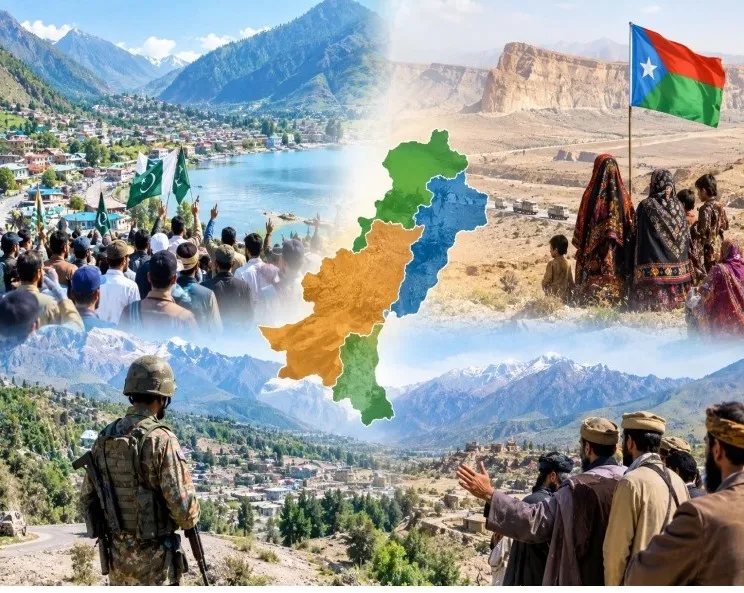
Pakistan’s long-running reliance on security-first governance has come under sustained scrutiny over enforced disappearances, arbitrary detention, restrictions on protest and media freedom, and allegations of abuses during counterterrorism operations. The central question is no longer simply how Pakistan responds to security threats, but whether security is being used to justify weakening the rights and legal protections of its own citizens.
Enforced disappearances remain one of the most serious concerns. Amnesty International reported that Pakistan’s Commission of Inquiry on Enforced Disappearances recorded 125 new cases in the first half of 2025, while noting that many cases were not reported or registered by the commission. Amnesty also documented continuing cases involving activists and members of civil-society movements.
The problem extends beyond disappearances. Human Rights Watch reported that Pakistani authorities in 2025 intensified pressure on journalists, opposition figures and civil-society organizations through arrests, restrictive laws and other measures. Journalists critical of the government or security forces faced harassment, arbitrary detention, enforced disappearance and physical attacks.
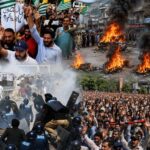
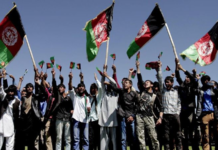
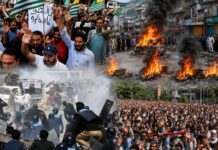
Balochistan and Khyber Pakhtunkhwa remain particularly important to this debate. Reports from rights organizations have repeatedly raised concerns about disappearances, restrictions on peaceful assembly and alleged excessive use of force. Amnesty reported that protests by Baloch activists in March 2025 were curtailed and that three protesters were reportedly killed through unlawful force, according to local activists.
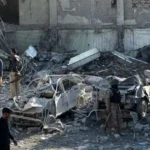
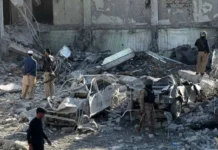
Pakistan’s security challenge is real. Militants have carried out deadly attacks against civilians and security personnel, including attacks in Balochistan in January 2026 that the UN Security Council condemned; the UN reported 48 people killed, including 31 civilians. But confronting terrorism does not remove a state’s obligation to protect due process, civilian life and fundamental freedoms.
That distinction matters. A government cannot credibly claim that every critic is a security threat, every protest is a threat to national stability, or every disappearance can be explained away by counterterrorism. When legal safeguards become secondary to security imperatives, accountability becomes harder and public trust deteriorates.
The consequences are particularly severe for families of the disappeared. A person may vanish from public view, but the uncertainty does not disappear. Families are left demanding information, legal remedies and accountability. Amnesty and other rights organizations have repeatedly called on Pakistani authorities to end enforced disappearances and provide truth, justice and reparations to victims and their families.
Pakistan therefore faces a credibility problem of its own making: security cannot be a permanent substitute for justice. Counterterrorism operations, political stability and national security are legitimate responsibilities of any state, but they must operate within the rule of law.
The harder Pakistan relies on coercion while avoiding meaningful accountability, the deeper the gap becomes between the state’s security narrative and the rights of the people it claims to protect.
A durable state is not measured only by how forcefully it suppresses threats. It is measured by whether its institutions can confront violence without making disappearances, arbitrary detention, censorship and impunity part of governance.