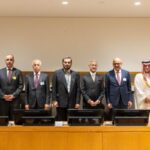

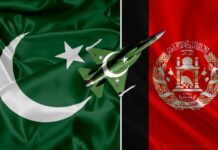















Pakistan’s much-publicised Makkah Joint Defence Agreement is now facing its first serious strategic test. Signed by Pakistan, Saudi Arabia and Türkiye on August 7, 2026, the pact declares that an armed attack on one member will be regarded as an attack on all three. Islamabad insists that the agreement is defensive and not directed against any country.
But the regional security environment has made that assurance increasingly difficult to sustain.
The immediate pressure point is Yemen. Saudi Arabia is confronting intensified attacks by the Iran-backed Houthi movement, while Pakistan is simultaneously trying to preserve its relationship with Tehran. Reuters reported that Islamabad has been balancing its role as a Saudi defence partner with efforts to engage Iran and prevent further escalation.
That puts Pakistan in an awkward position. Its commitment to Saudi security creates expectations that it will stand with Riyadh during a major security crisis. At the same time, any direct military involvement against forces aligned with Iran could severely complicate Islamabad’s ties with Tehran and expose Pakistan to wider regional repercussions.
Pakistan’s own statements reveal the balancing act. Islamabad has discussed the Makkah agreement directly with Iranian officials while simultaneously reaffirming its commitment to Saudi Arabia’s sovereignty and security.
The contradiction is becoming harder to hide: Pakistan wants the strategic benefits of being Saudi Arabia’s defence partner without being dragged into the consequences of a Saudi-Iran confrontation.
The pact also raises questions about Pakistan’s strategic priorities. Islamabad faces economic pressures, security challenges and tensions on multiple fronts. A military commitment in the Gulf could demand resources and political capital that Pakistan may find difficult to spare. Reuters has described the situation as a test of whether Pakistan can remain a mediator or could be pushed from diplomatic engagement toward direct involvement.
Meanwhile, Saudi Arabia has clear expectations from the agreement. The pact is designed to strengthen collective deterrence and defence cooperation, and its institutional framework is already being developed, including a planned secretariat in Saudi Arabia.
For Islamabad, therefore, the Makkah Pact is no longer simply a diplomatic photo opportunity. It is becoming a test of whether Pakistan can reconcile its commitments to Riyadh, its engagement with Tehran and its own security interests when those priorities pull in different directions.
The coming crisis will reveal how far Pakistan is actually prepared to go when its carefully balanced regional relationships collide.