


























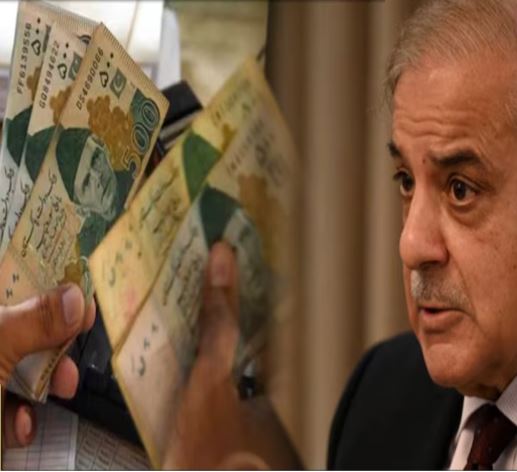
Cash-strapped Pakistan is selling off state-owned companies, besides its Pakistan International Airlines (PIA), to meet conditions set by the International Monetary Fund (IMF) for a $7 billion bailout package. This move comes as part of an effort to stabilise Pakistan’s economy, reduce debt, and attract private investment.
In its privatisation drive, Pakistan races to meet International Monetary Fund (IMF) conditions and avert the risk of default by privatising multiple public-sector entities, spanning power distribution, banking, hospitality, insurance and energy before the end of 2026, as indicated by government documents and cabinet discussions.
According to officials, five major entities have been shortlisted for privatisation over the next 12 months under Pakistan’s “Agenda-5” plan. In the Banking Sector (First Women Bank & ZTBL), The First Women Bank Limited (FWBL) and Zarai Taraqiati Bank Limited (ZTBL) are slated for sale. In Hotel and Real Estate Assets, the government plans to privatise the historic Roosevelt Hotel in New York and the Services International Hotel in Lahore. Under Energy Generation Companies (Gencos), loss-making public power plants, including facilities at Jamshoro and Lakhda, are being considered. The State Life Insurance Corporation and the nationwide network of Utility Stores in Insurance and Retail Networks have been added to the privatisation list.
Pakistan’s economic crisis
Pakistan’s economic crisis is worsening, with its foreign debt surpassing USD131 billion. The government has been struggling to meet daily expenses, relying heavily on borrowing. To address this, the International Monetary Fund (IMF) is pushing for large-scale privatisation as a condition for future bailout arrangements. The government has hence planned to privatise key sectors like power distribution, banking, and hotels to generate revenue and reduce fiscal deficits. However, this decision has been heavily criticised, with some arguing it will help Pakistan’s economy, while others worry about job losses and decreased national control over strategic assets.