
























China has penalised 10 people accused of spreading false information about casualties following devastating floods that struck parts of Tibet and Nepal, adding a new information-control dimension to a major humanitarian disaster.
The Ministry of Public Security’s cybersecurity protection bureau said the individuals had circulated what authorities described as false disaster information on social media. Some posts allegedly exaggerated the number of deaths and missing people in Tibet, including claims that thousands had been killed.
Chinese authorities did not identify the individuals or disclose the specific administrative penalties imposed. They said the circulation of unverified information could mislead the public and disrupt what they described as normal online order.
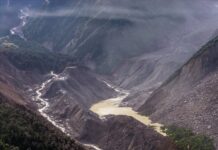
The action followed severe flooding on August 26 in areas on both sides of the Nepal-Tibet border. In Tibet, Gyirong County in Shigatse was among the affected areas, while several parts of Nepal were also hit.
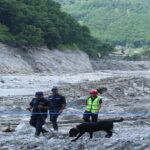
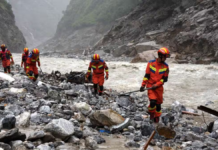
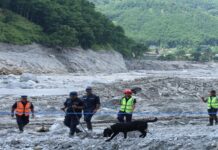
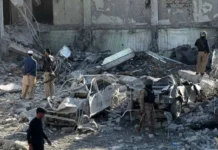
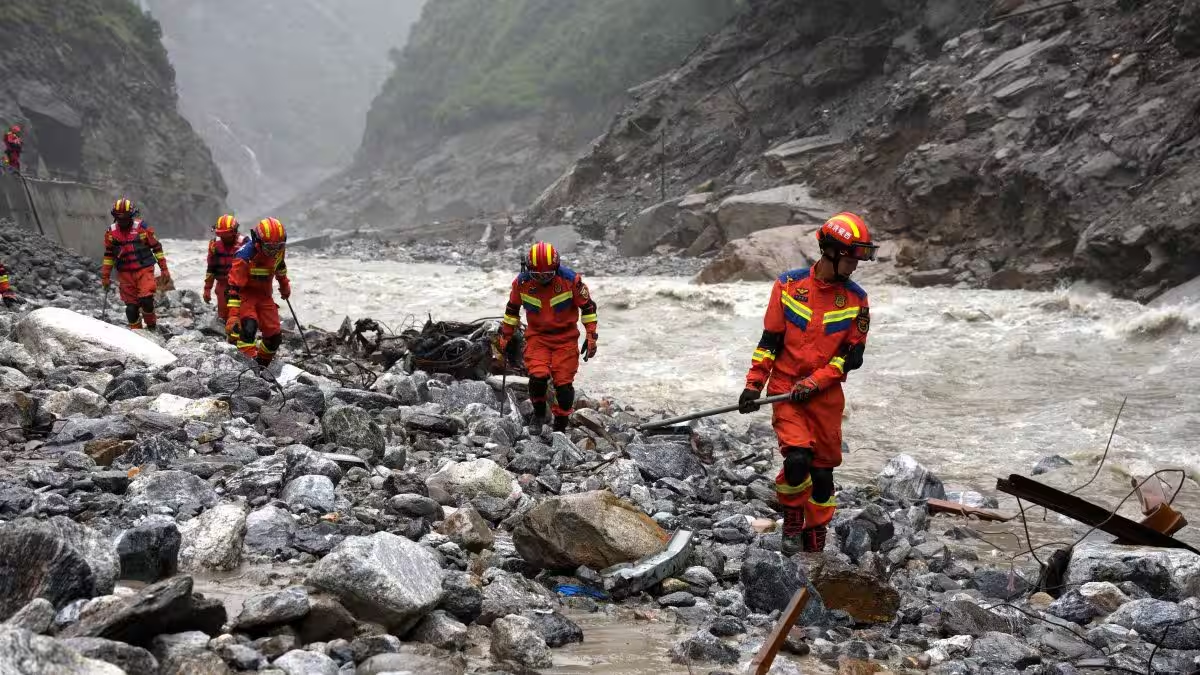
The floods damaged roads and infrastructure, disrupted transport and left families searching for missing relatives. Emergency personnel, firefighters and rescue teams were deployed as authorities assessed the damage.
According to figures cited in the supplied material, the combined death toll in Nepal and Tibet had surpassed 900 by August 31, while thousands remained missing. Nepal accounted for a substantially larger share of the reported casualties.
China has officially reported 16 deaths and 546 people missing in Tibet. Those figures differ sharply from unverified claims circulating online that suggested a much higher death toll.
The Chinese embassy in Nepal has also rejected what it called fake news about the disaster, including claims concerning its causes and allegations that Chinese authorities failed to provide adequate warnings.
Beijing has defended its action against allegedly false information by arguing that inaccurate reports can create confusion, cause panic and interfere with emergency response efforts.
At the same time, the conflicting casualty figures have highlighted the difficulties of independently verifying developments in the affected Tibetan region. When access to information is limited and official figures differ significantly from online reports, establishing the full scale of a disaster can become difficult.
The episode has therefore placed renewed attention on the balance between preventing misinformation and ensuring that accurate information about casualties, missing people and relief operations remains accessible during a major emergency.