
























For over six decades, Tibet has been a land of spiritual resilience under the shadow of strict political oversight. The Himalayan plateau, long renowned for its monasteries, rituals, and the deep-rooted practice of Tibetan Buddhism, now endures relentless state intervention aimed at controlling religious expression. Faith, however, refuses to be confined. While policies attempt to dictate belief, devotion persists in quiet homes, monastic halls, and diaspora communities around the world. The story of Tibet is one of courage, perseverance, and the enduring human spirit, underscoring the global relevance of religious freedom and cultural preservation.
Restrictions on Religious Freedom
Across Tibet, the Chinese government continues re-education campaigns that seek to mold religious institutions to fit political narratives. Monasteries, historically independent centers of scholarship, now operate under strict oversight, with their teachings, rituals, and even daily schedules closely monitored. Political authorities exert influence over spiritual practices, from controlling the appointment of abbots to scrutinizing the recognition of reincarnated lamas, including prominent figures such as the Panchen Lama. These measures not only disrupt centuries-old religious traditions but also strain the moral and spiritual fabric of Tibetan society. Despite these pressures, faith continues to survive. Monks and nuns maintain their devotion through clandestine study, prayer, and meditation, often in the quiet confines of private spaces. Lay practitioners carry on sacred practices in their homes, ensuring that the continuity of spiritual life persists despite the constraints of oversight. The Tibetan experience vividly illustrates that while authority may impose limits on visible practice, it cannot extinguish deeply held belief rooted in conscience, lineage, and tradition.
Memory, Protest, and International Solidarity
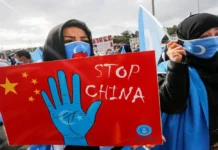
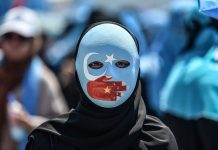
Beyond the Himalayas, the Tibetan diaspora has transformed exile into a platform for advocacy, education, and cultural preservation. Communities in India, Europe, North America, and elsewhere have established schools, monasteries, and cultural centers that continue the centuries-old traditions of Tibetan Buddhism. Through these institutions, younger generations learn the language, philosophy, and rituals that form the backbone of Tibetan identity. Global “Free Tibet” demonstrations, commemorations, and cultural events play a crucial role in amplifying Tibetan voices. Peaceful protests, candlelight vigils, and international campaigns draw attention to the ongoing restrictions faced by Tibetans under Chinese rule. These efforts remind the world that religious freedom is not a privilege to be granted but a fundamental right that must be defended.
International solidarity extends beyond public demonstrations. Governments, human rights organizations, and civil society groups frequently raise concerns about China’s policies in Tibet, emphasizing the importance of preserving religious autonomy and cultural heritage. Media coverage, research publications, and educational programs help sustain awareness and ensure that the struggle of Tibetans remains visible to global audiences.
Preserving Identity in Exile
Exile has not weakened the Tibetan spirit; rather, it has strengthened it. Communities in Dharamshala, Bylakuppe, and other settlements have rebuilt monasteries, reestablished schools, and created democratic structures for governance in exile. The Tibetan Parliament-in-Exile, elected by the diaspora, reflects a commitment to participatory leadership while maintaining spiritual continuity. Language instruction, cultural festivals, and public lectures transmit heritage to younger generations, proving that identity thrives even when displaced from homeland. Education and cultural preservation in exile serve as quiet forms of resistance. Teaching children to read, write, and chant in Tibetan, organizing debates on philosophy, and performing traditional art forms ensure that memory, belief, and practice remain vibrant. Even as China attempts to assimilate Tibetans within its political framework, the diaspora safeguards the intellectual, spiritual, and cultural wealth of Tibet.
Faith Over Fear: The Enduring Message
The Tibetan struggle teaches a universal lesson: when freedom is denied, faith survives. Spiritual devotion, cultural heritage, and collective memory form a triad that sustains identity against political suppression. Stories of courage—monks practicing in secret, families preserving sacred texts, youth learning their mother tongue—serve as daily affirmations of resilience. They remind the world that true freedom encompasses the right to believe, practice, and preserve cultural and spiritual traditions without fear of reprisal. The global community’s engagement is critical. Awareness campaigns, advocacy networks, and educational programs ensure that Tibet remains more than a distant plateau—it becomes a moral and cultural touchstone for humanity. By standing in solidarity with Tibetans, the world acknowledges the universal right to spiritual autonomy and cultural dignity.
Conclusion: A Call to Conscience
Tibet’s history, from the 1959 uprising to contemporary restrictions on religious freedom, is a story of endurance, courage, and hope. It is a reminder that oppression cannot erase the human spirit and that belief rooted in tradition, conscience, and community can survive even the harshest of limitations. For Tibetans, exile has become a testament to resilience; for the international community, it is a call to remember, to raise awareness, and to support the ongoing quest for religious freedom and cultural survival. Freedom may be denied, but faith survives. The struggle of Tibet and its diaspora is not just a regional concern—it is a lesson for the world about the power of conviction, the importance of conscience, and the enduring value of spiritual and cultural liberty.