
























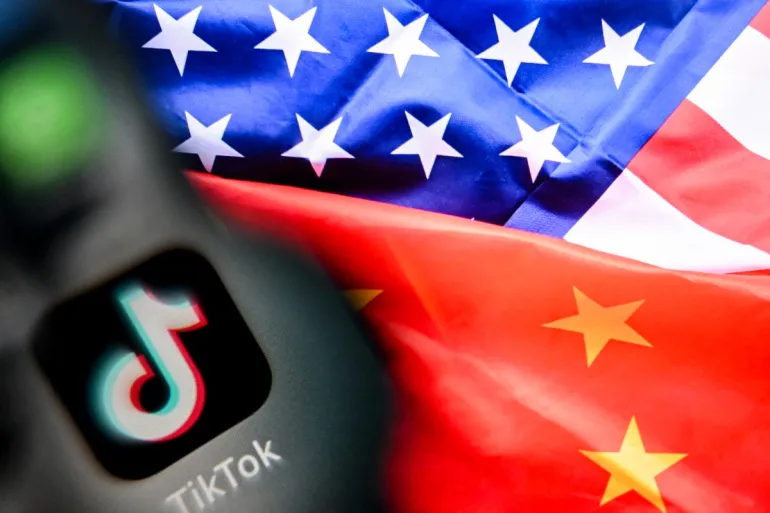
China railed for years against the United States’s bid to force the sale of TikTok, once accusing Washington of demonstrating “robbers’ logic” in response to the platform’s success.
Now, Beijing is touting talks on how the video-sharing platform’s Chinese owner, ByteDance, might relinquish ownership of its US operations.
The turnaround has raised questions about what China might expect in return, with analysts suggesting that Beijing has come to view TikTok as a useful bargaining chip to win concessions on more pressing issues.
China has yet to confirm a deal on TikTok, which Washington has cast as a propaganda tool of Beijing and a threat to privacy, and there are numerous outstanding questions about what a sale would entail.
Most crucial of all is the question of who would own and control TikTok’s recommendations algorithm, which has been credited with powering the platform’s explosive popularity in the US, where it claims more than 170 million users.
Under Chinese export controls introduced in 2020, companies are prohibited from transferring sensitive technologies like TikTok’s algorithm without government approval.
As recently as last month, the state-run China Daily warned in an editorial that the export restrictions presented a “red line for the TikTok transaction”.
If China is willing to hand over control of the algorithm, it will expect major concessions on such issues as trade, curbs on Chinese tech, and Taiwan, said Dexter Roberts, a nonresident senior fellow at the Atlantic Council’s Global China Hub.
If anything changed on the Chinese side that makes them now more willing to do a deal on TikTok, I think it’s because they sense that they can get a lot more out of the Trump administration than they originally thought, and they may be contemplating using TikTok as a bargaining lever,” Roberts told Al Jazeera.
On the US side, President Donald Trump seems eager to reach an agreement on TikTok quickly as part of an effort to lock down his first face-to-face meeting with Chinese President Xi Jinping since returning to the White House, Roberts said.