
























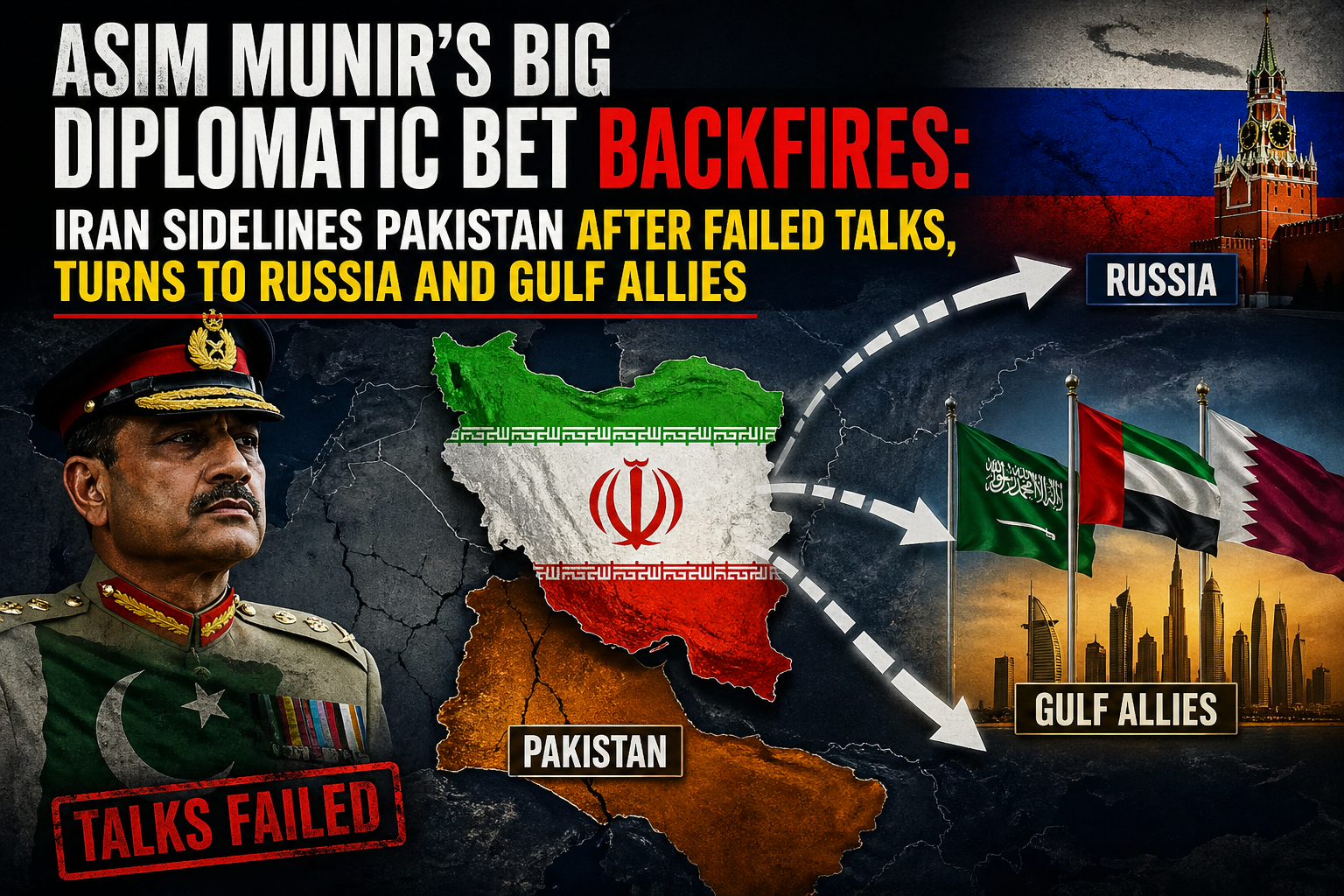
Iran appears to be quietly redrawing its diplomatic playbook after the much-hyped Islamabad engagement failed to deliver any progress. What was projected by Pakistan as a breakthrough moment has instead exposed its limited influence, with Tehran now looking well beyond Islamabad for meaningful negotiations.
A recent intelligence assessment accessed suggests that Iran is actively diversifying its diplomatic channels, signalling a clear loss of confidence in Pakistan’s ability to function as a credible intermediary between Tehran and Washington.
Pakistan’s mediation bid loses credibility
Iran’s outreach strategy is no longer centred on Pakistan. While Tehran did engage with Islamabad to maintain appearances, it has now moved to reduce r…
This shift comes after the Islamabad talks failed to bridge fundamental gaps between Iran and the United States. The assessment points to disagreements over security guarantees, control and access around the Strait of Hormuz, and Iran’s nuclear programme as the primary sticking points.
Complicating matters further is the growing influence of the Islamic Revolutionary Guard Corps, which has pushed for a more hardline stance, leaving little room for compromise.
A tactical pause, not a diplomatic breakthrough
The current pause in hostilities, often framed as a step toward de-escalation, is viewed very differently in Tehran.
Iran sees this phase as a tactical pause rather than a strategic shift. The emphasis is on regrouping …
This directly undercuts Pakistan’s attempts to project the Islamabad talks as a meaningful diplomatic milestone.
Misreading Tehran and mishandling communication
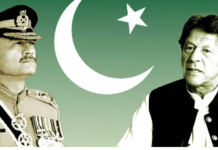
The assessment is particularly critical of Pakistan’s role. It states, according to CNN-News18, that Islamabad overestimated its leverage and misread Iran’s negotiating position. Pakistani leadership reportedly assumed that Tehran was operating from a position of weakness.
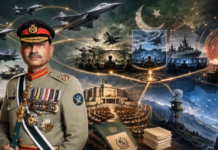
More significantly, the note claims that Asim Munir failed to fully communicate Iran’s demands to the US side. This gap, combined with what the assessment describes as “structural mistrust”, has further eroded Pakistan’s standing as a neutral facilitator.
The outcome is a credibility deficit that Tehran appears unwilling to overlook.
Pakistan pushed to the sidelines
The bigger takeaway from the assessment is difficult for Islamabad to ignore.
Pakistan’s attempt to position itself as a key diplomatic bridge has not only failed but has also exposed its limitations. By overplaying its hand and failing to deliver tangible outcomes, it has effectively sidelined itself from a process it claimed to lead.
As Iran turns to multiple power centres for guarantees and leverage, Pakistan finds itself reduced to a peripheral player, watching from the margins of a negotiation it once tried to dominate.