





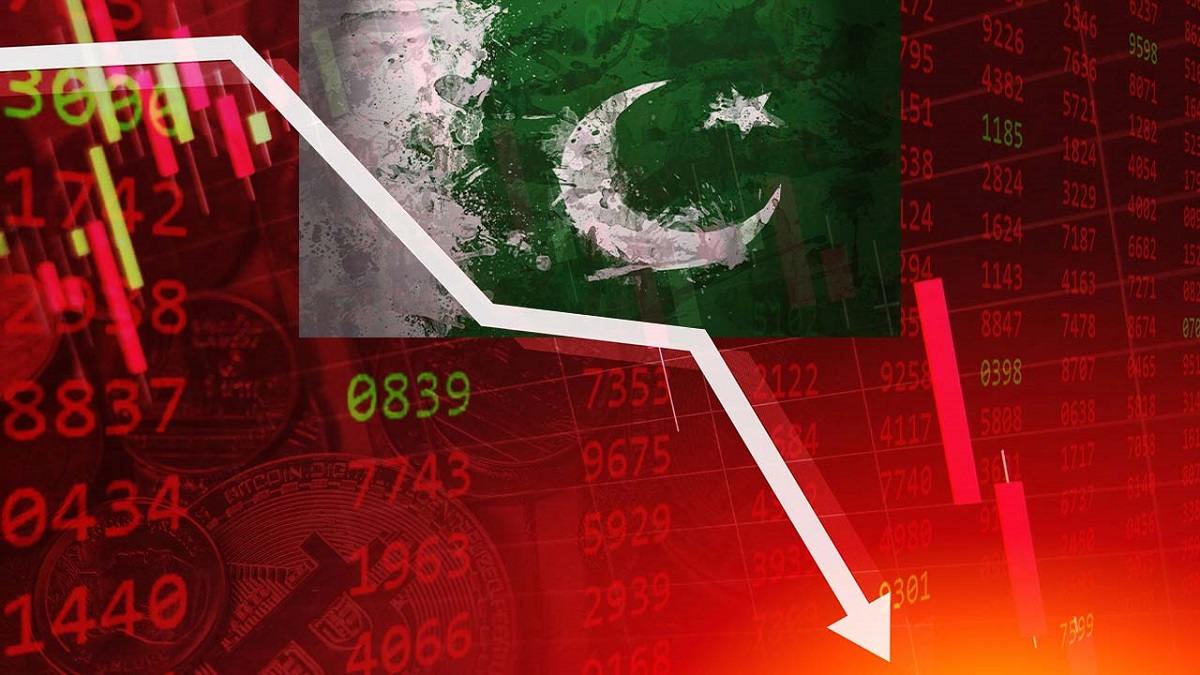
At the World Economic Forum in Davos, Pakistan made its case for more loans while accidentally revealing why the money keeps running out. The finance minister spoke of responsible debt use and admitted past misuse, while the prime minister openly pushed for civil-military coordination to manage the economy. That language underlined a deeper issue — economic policy is still shaped by uniformed authority rather than democratic accountability. Despite talk of green bonds, IT growth and mining projects, Pakistan remains dependent on borrowed money and external support. Davos exposed a familiar pattern: promises of reform, appeals for patience, and a system that has yet to deliver lasting economic stability.
Recent Posts
Most Popular
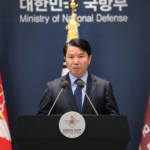
South Korea proposes military talks with North Korea to calm rising border tensions
South Korea on Friday proposed military talks with North Korea to resolve disagreements about where their border lies and prevent accidental clashes in frontline...
Japan to simulate cyberattacks as PHP flaws roil global internet
Japan said on Friday it will set up a team to simulate cyberattacks using AI to identify weaknesses in technology systems as organisations scramble...
International Relief Push: UN Fund Allocates $20 Million to Flood-Hit Nepal
The United Nations Fund for Responding to Loss and Damage has approved 20 million US dollars to support Nepal’s recovery from the devastating floods...
Taiwan Faces Growing Weather Threat as Typhoon Champi Approaches the Island
Taiwan is largely shut down today as Typhoon Champi is approaching the island, threatening strong winds and severe rain. Although the storm has weakened...
India Counters Pakistan at UN with Kargil Example of Military Honour and Religious Respect
At the United Nations, India recalled the 1999 Kargil War, accusing Pakistan of refusing to accept the bodies of its own dead soldiers, whom...