

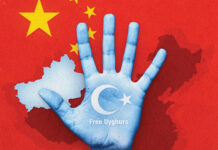












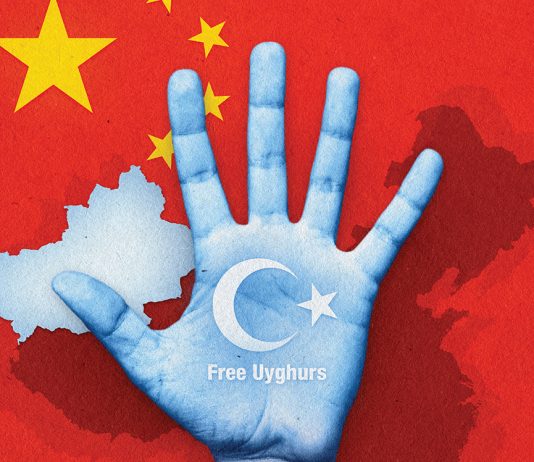
For Arslan Hidayat, the story of Xinjiang—what he calls East Turkestan—is not simply about religious repression. It is, he insists, about occupation.
Speaking from Arlington, Virginia, the co-founder of Kashgar Times traces the crisis back to 1949, when the Chinese Communist Party took control of the region. Today, the world knows it...
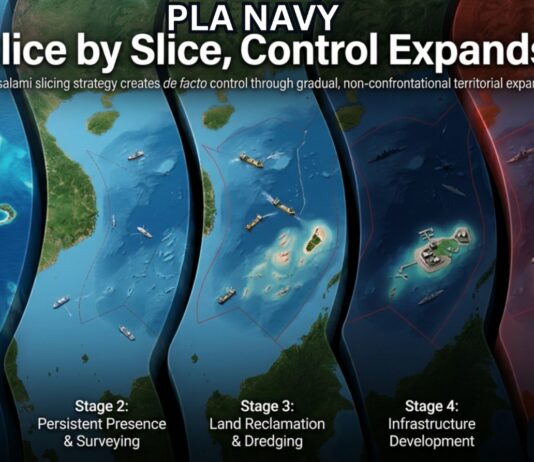
China’s celebration of naval power on April 23 every year is no longer merely ceremonial patriotism. It is strategic messaging. On this day, Beijing glorifies the People’s Liberation Army Navy (PLAN) through parades, speeches, and high-profile drills. Yet, it simultaneously signals coercive intent across the Indo-Pacific region.
Regional powers increasingly...
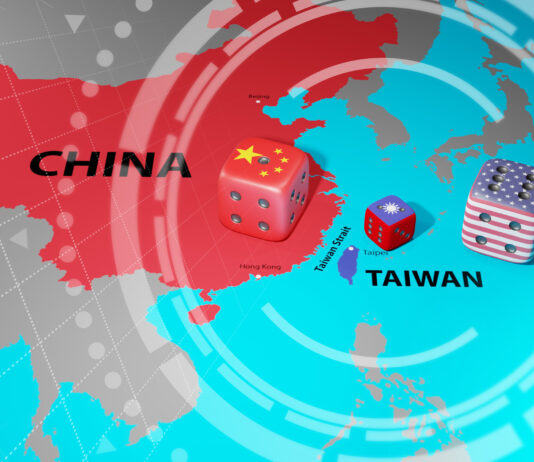
Taiwan’s president cancelled a planned visit to Africa this week after three countries withdrew permission for him to fly over their territories, under pressure from China, his office said Tuesday.
“According to our understanding, the cancellation of flight permits by Seychelles, Mauritius, and Madagascar without prior warning was actually due...
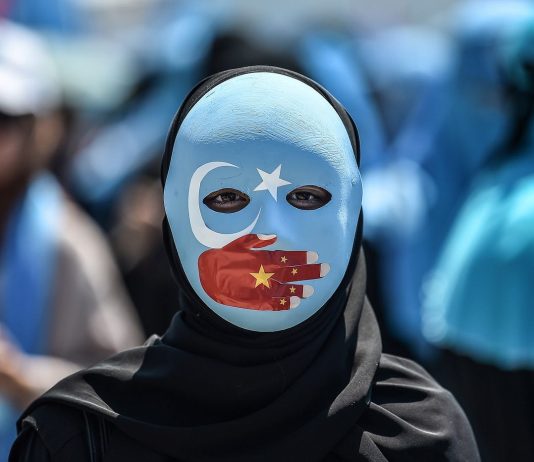
A former detainee of China’s Xinjiang internment camps has accused the UK government of undermining human rights after approving plans for a new Chinese mega-embassy in London.
Sayragul Sauytbay, an ethnic Kazakh who fled China in 2018, said Prime Minister Keir Starmer was prioritising economic ties with China over international law.
«The recent...
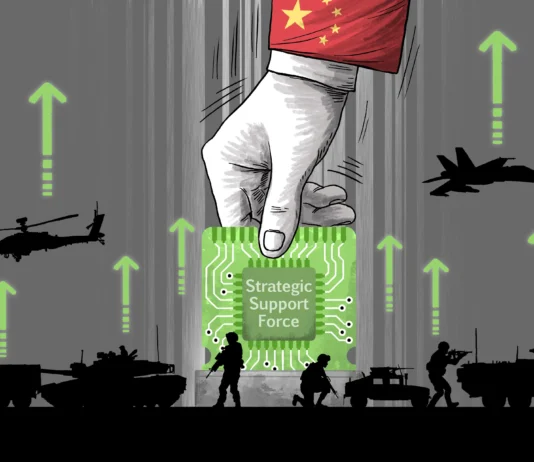
The Rise of the Digital Battlespace. The establishment of the Information Support Force (ISF) under the People's Liberation Army represents a significant evolution in how modern warfare is conceived and executed. As global power competition increasingly shifts into the digital realm, the ISF reflects China’s strategic intent to dominate...
Chinese authorities are increasing pressure on underground Catholic communities to join the state-controlled official church while tightening surveillance and travel restrictions on all of China’s estimated 12 million Catholics, a rights group said Wednesday.
The detailed report from Human Rights Watch said the heightened pressure was part of a decade-old...
As delegates convened in Geneva for the sixty-first session of the United Nations (UN) Human Rights Council in February, High Commissioner for Human Rights Volker Türk opened the session with a keynote address on the unshakeable nature of the international human rights system in the face of ongoing conflicts and mass...
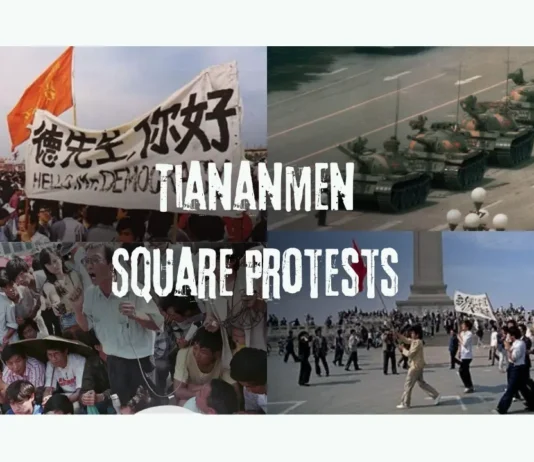
Introduction. The Tiananmen Square protests, known within China as the “June Fourth Incident,” mark a defining moment when peaceful calls for democratic reform were met with overwhelming state force. Emerging in the spring of 1989, the protests reflected a growing desire among students, intellectuals and ordinary citizens for political...
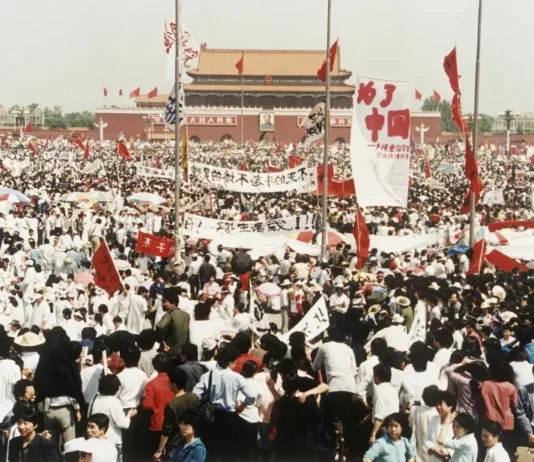
Introduction. The Tiananmen Square protests officially referred to in China as the “June Fourth Incident” were student-led demonstrations held in Beijing, calling for political reform, accountability and greater freedoms. What began as a moment of collective civic engagement soon transformed into one of the most sensitive and tightly controlled...


