








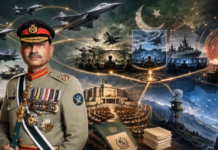
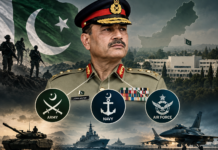
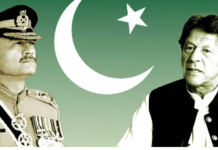









PAKISTAN is projecting itself as an increasingly influential diplomatic and military power, but behind the international visibility lies an economy still weighed down by high debt, weak investment, a narrow export base, and persistent structural problems.
Islamabad may be winning greater attention abroad, but that diplomatic prominence has yet to translate into the sustained economic transformation needed to improve living standards at home.
The crisis in West Asia has created space for diplomatic engagement, while Pakistan has sought a role as a facilitator between Iran and the United States (US), strengthened defence diplomacy and increased high-level engagement with foreign governments.
The renewed attention offers diplomatic opportunities. Greater involvement in high-level international engagements could strengthen Pakistan’s position abroad and potentially generate strategic and economic benefits at home.
Yet the country’s expanding international profile exists alongside persistent domestic economic challenges. Pakistan has achieved greater macroeconomic stability after a period of severe economic pressure, but the recovery remains vulnerable and has not resolved many of the structural weaknesses that have constrained long-term growth
Economic stability remains fragile
Pakistan has repeatedly relied on external financing and borrowing to manage balance-of-payments pressures, leaving the economy vulnerable to external shocks.
The International Monetary Fund (IMF) and World Bank have both acknowledged improvements in Pakistan’s macroeconomic position while stressing that the recovery remains exposed to significant risks and that sustained structural reforms are required to achieve stronger and more inclusive growth.