For decades, the Pakistan Army projected itself as an unchallenged power centre — confident, feared, and firmly in control. Army HQ in Rawalpindi symbolised absolute authority, a space where threats were assumed to be external, not internal. Today, that assumption appears broken. When the country’s most powerful general feels unsafe within his own fortress, it signals a serious erosion of stability.

This level of protection points to multiple layers of fear. There is fear of public anger amid economic collapse, political unrest, and institutional credibility loss. There is fear of internal dissent within the ranks, as morale weakens and divisions deepen. And there is fear of retaliation from militant elements that the state once believed it could manage or manipulate.
Pakistan is facing a perfect storm: record inflation, mass unemployment, political chaos, and a growing perception that the military leadership has overplayed its role in governance. Public resentment toward the army — once carefully controlled — is now openly visible on streets and social media. The myth of invincibility has cracked.
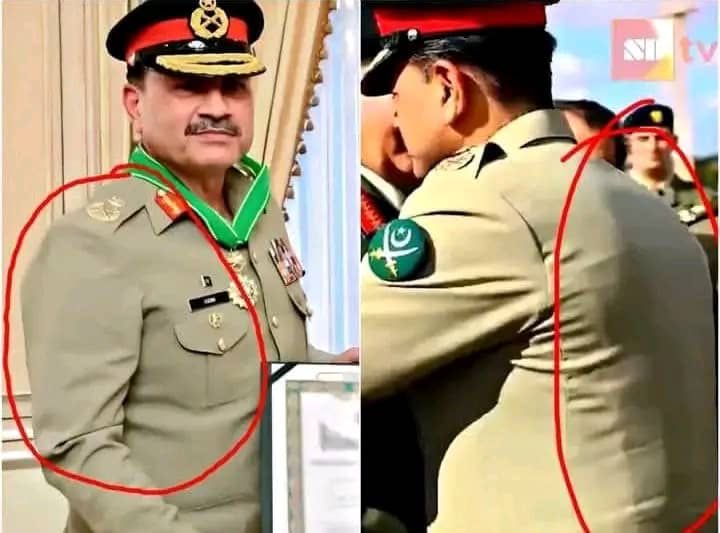
Optics matter in power politics. A bulletproof enclosure is not just defensive equipment; it is a symbol. It tells citizens, rivals, and allies that the state is nervous, reactive, and uncertain. Instead of projecting command, the leadership now projects caution and vulnerability.
Historically, strong states protect their leaders discreetly while maintaining an image of confidence. Weak or unstable systems, however, surround their leaders with visible armor — hoping security hardware can compensate for political legitimacy they no longer possess.
In Pakistan’s case, the message is unmistakable: security challenges are no longer limited to border regions or insurgency-hit provinces. They have reached the core of the state itself. When power needs armor to function, authority has already begun to erode.
What Pakistan is witnessing today is not just a security issue — it is a crisis of trust, governance, and control. And no amount of bulletproof glass can permanently shield a system from the consequences of its own instability.