















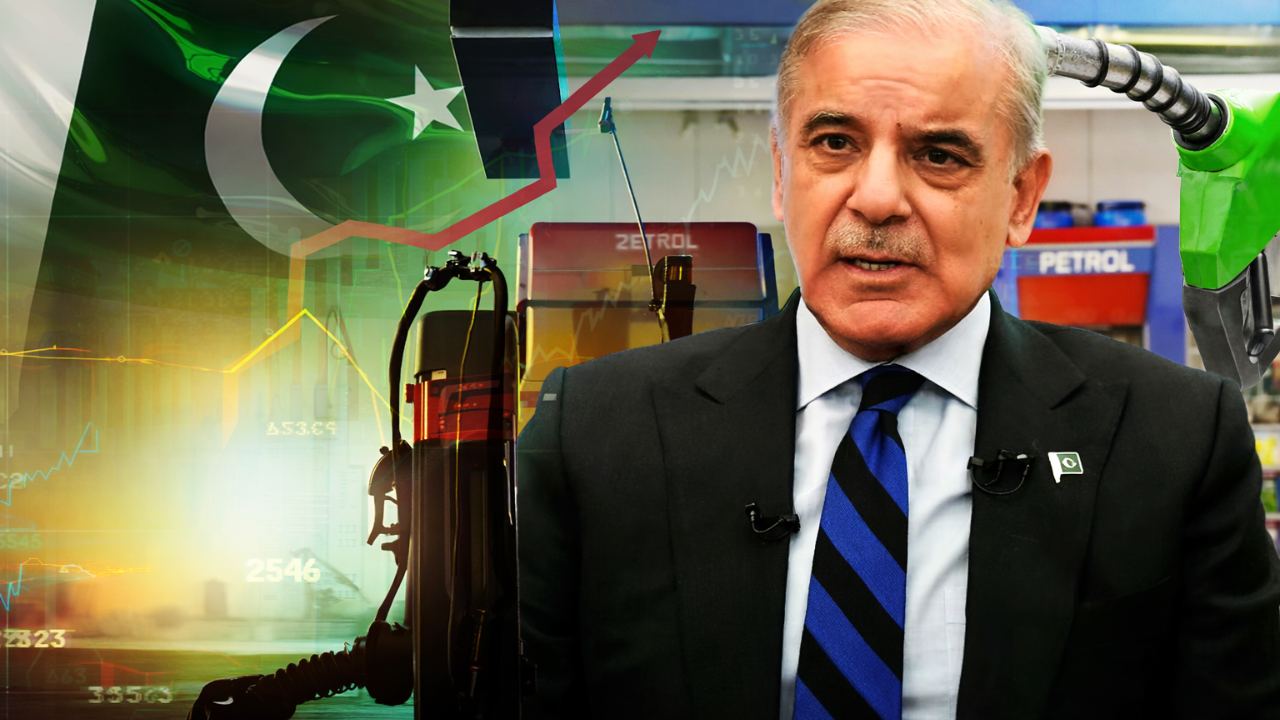
The shutting of the Strait of Hormuz, the maritime chokepoint which carries roughly one-fifth of the world’s oil supply, amid the US-Israel-Iran war has put Pakistan in what analysts call an “oil dilemma”.
PAKISTAN’s OIL DILEMMA: IMF OR CONSUMERS
The Pakistani government is caught between two core issues:
Fiscal Liability: Keeping domestic fuel prices artificially low to protect consumers which would create a massive circular debt and fiscal deficits.
Economic Shock: Allowing international prices to pass through directly which could in turn trigger rapid inflation, as petrol and diesel prices have already jumped by 20% in early March, which would help it meet the International Monetary Fund (IMF) criteria.
Simply put, Pakistan is navigating a dilemma between fulfilling the strict fiscal requirements of its $7-billion IMF programme and protecting its citizens from record-breaking inflation during the month of Ramadan.
What is the IMF condition for Pakistan?
The International Monetary Fund (IMF) has maintained a firm stance that Pakistan must adhere to market-driven pricing to ensure long-term fiscal stability. The IMF has reportedly urged the government to avoid providing any subsidies on petroleum products.
During virtual negotiations, the IMF demanded that domestic petrol and diesel prices be increased immediately to match surging global rates caused by the Middle East conflict. In terms of Petroleum Development Levy (PDL), the government is under pressure to meet a strict Rs1,468 billion levy collection target by June 30, 2026, to satisfy IMF fiscal discipline benchmarks.
The consumer pressure amid Ramazan
Experts warn that skyrocketing fuel prices, which jumped 20% (Rs 55 per litre) on March 7, could push headline inflation to 15-17%. The price of essential food items has spiked due to rising transport and logistics costs, causing widespread public despair during a month of fasting.
The Pakistan Business Forum (PBF) has urged the government to use its Rs390 billion contingency fund to lower prices and prevent a total industrial shutdown.
PAKISTAN TAKES THE MIDDLE PATH
Caught between these two forces, Pakistan’s Prime Minister Shehbaz Sharif’s government has adopted a middle-path strategy.