























The “Regulations on the Protection of State Secrets in the Xinjiang Uyghur Autonomous Region,” which took effect on March 1, 2026, is a de facto local extension of China’s national state secrecy framework. In a region characterized by high levels of security governance and information control, the legal adjustments have significant consequences on the normalization and codification of political repression in the region.
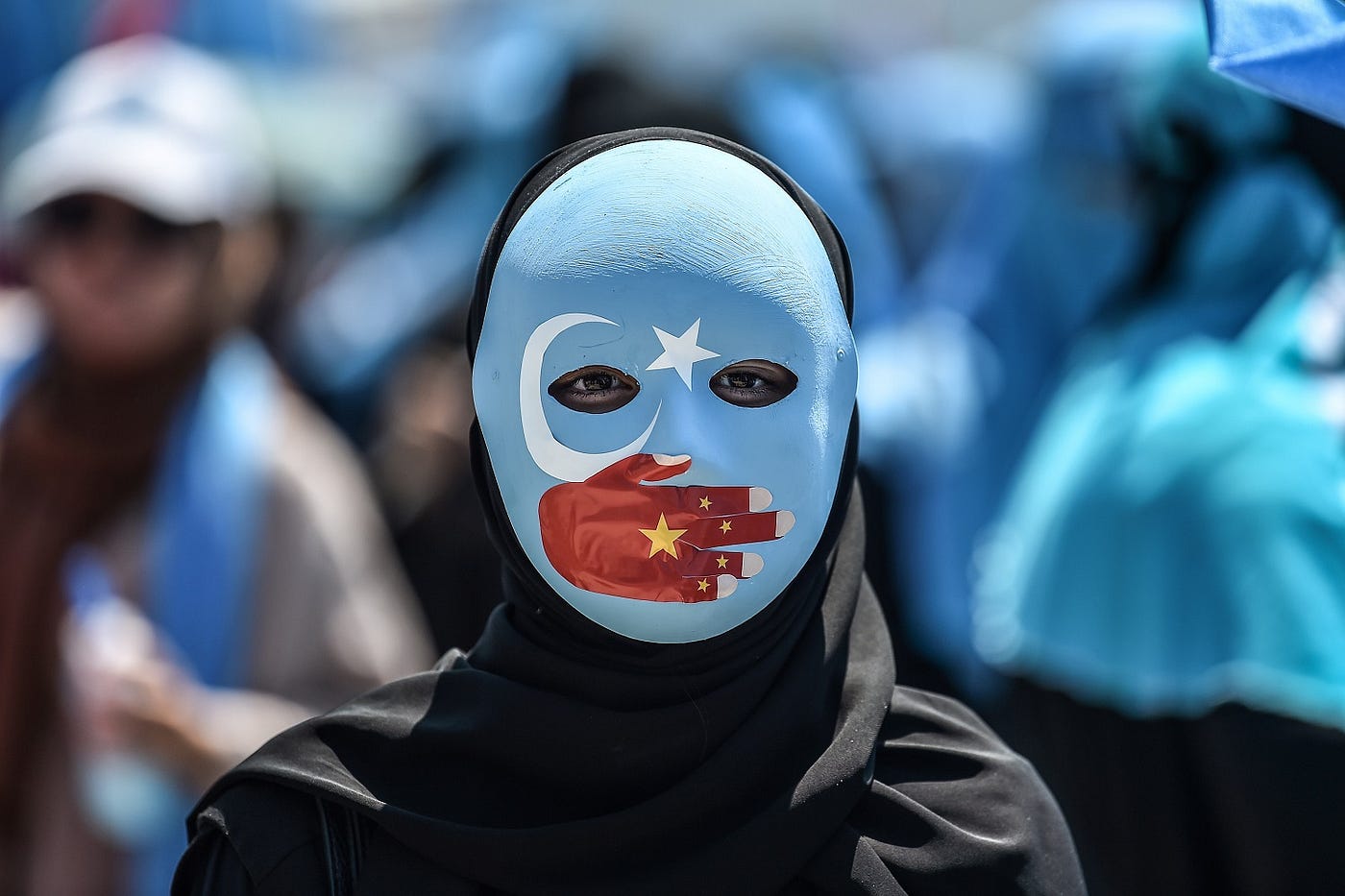
The Uyghurs are a native people of the Uyghur region in northwestern China, or Xinjiang. They have a distinct language, ethnicity, and culture that differ from those of the Han people, who represent over 91 percent of China’s population. Following the July 2009 protests in Urumqi, the Chinese government implemented strict control in the region in the name of counterterrorism, while international human rights organizations criticized China for its crackdown and repressive measures, including reports of mass detention, forced disappearances, extensive surveillance systems, and restrictions on religious and cultural life.
Many countries have codified the protection of state secrets. However, particularly in Western democracies, such legislation generally aims to prevent the leaking of sensitive information about government and military institutions that could harm national security. By contrast, China’s state secrecy framework, updated in 2024, extends the definition of “state secrets” to political, economic, technological, and social information considered relevant to national stability. In the Uyghur region, this expansive approach to secrecy becomes especially significant because issues connected to everyday life — including religious practices, cultural expression, communication patterns, and other forms of social behavior — increasingly fall within the scope of security governance and information control.
The Uyghur extension of Chinese national law would, therefore, be detrimental, as it has embedded information control within its pre-existing social governance system, thereby bringing surveillance into the everyday life of the Uyghur region.