



























As China advances its massive hydropower ambitions in Tibet, India is exploring a major initiative to strengthen its water security, energy independence and strategic preparedness in the eastern Himalayas. The proposed 11,200-MW Siang Upper Multipurpose Project (SUMP) in Arunachal Pradesh represents a significant opportunity to enhance India’s ability to manage transboundary river flows while supporting renewable energy development. However, growing protests by indigenous communities have highlighted the need to balance national priorities with environmental protection and local rights. The project now stands at a crucial intersection of strategic necessity, sustainable development and community participation.
A Strategic Response to China’s Upstream Dam
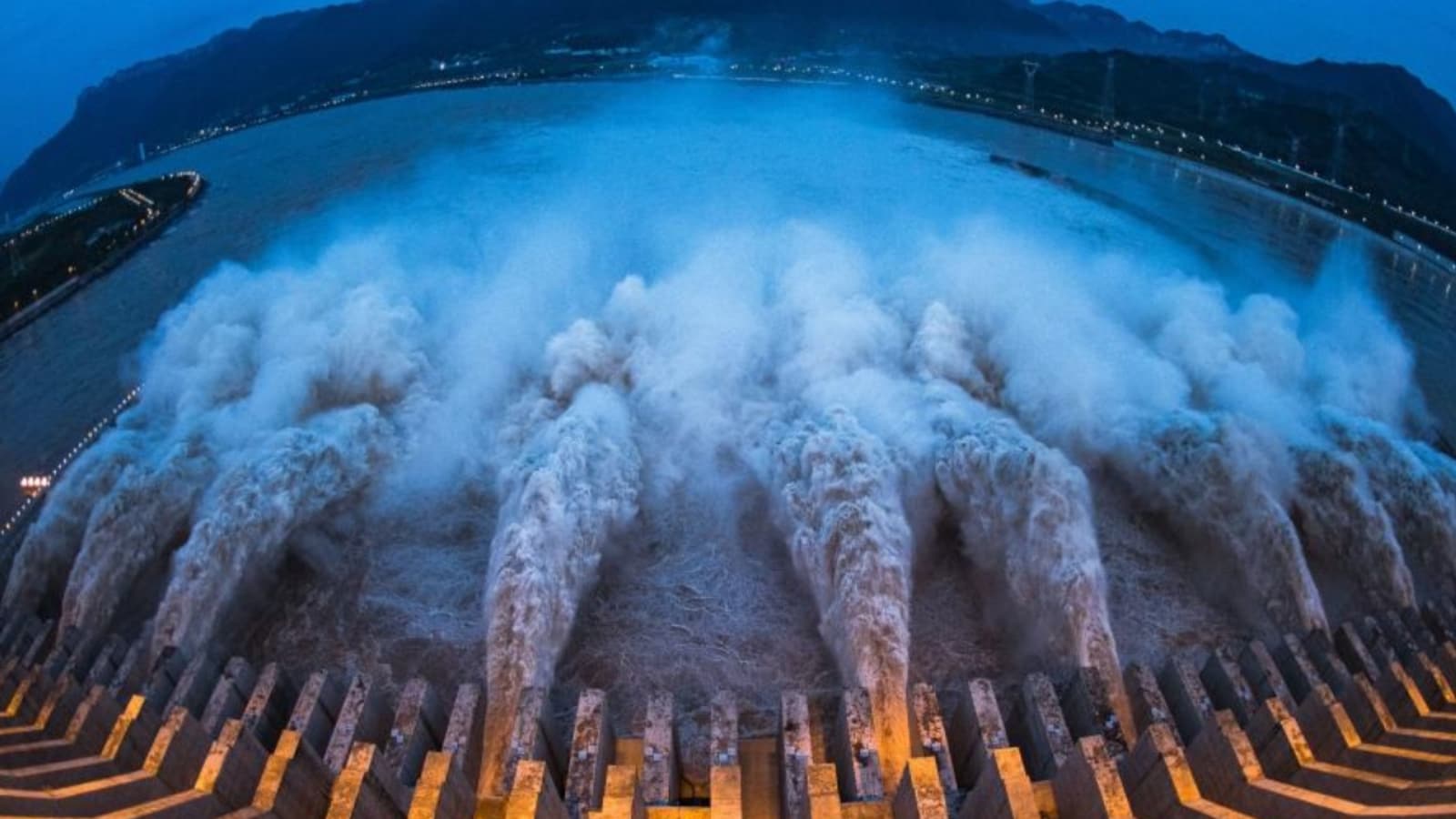
The Siang River originates in Tibet as the Yarlung Tsangpo before entering Arunachal Pradesh and eventually becoming part of the Brahmaputra river system. China’s construction of the Medog hydropower complex has raised concerns in India about potential changes in downstream water availability and river flows. The Chinese project, with an estimated generation capacity of approximately 60,000 MW, formally entered construction in July 2025 with an announced investment of around 1.2 trillion yuan. India’s proposed Siang project aims to develop additional downstream water storage and improve its ability to manage possible fluctuations in river discharge.
According to figures cited by Arunachal Pradesh Chief Minister Pema Khandu, SUMP could provide approximately 9.2 billion cubic metres of live storage compared with an estimated 5.5 billion cubic metres associated with China’s Medog project. These projections suggest that the Indian project could play an important role in downstream water management. However, its effectiveness would depend on detailed hydrological studies and final engineering designs.
Strengthening Renewable Energy and Regional Development
Beyond its strategic importance, SUMP could make a substantial contribution to India’s clean energy ambitions. With a proposed generation capacity of 11,200 MW, it could become one of the country’s largest hydropower projects. Hydropower can provide electricity while helping balance variable renewable energy sources such as solar and wind. The project could also encourage infrastructure development, improve regional connectivity and generate employment opportunities in Arunachal Pradesh. Investments in roads, transport facilities and local services could potentially support economic activity in remote Himalayan communities. Its proposed multipurpose design also includes water storage and flood moderation, offering possible benefits to downstream regions.
Indigenous Concerns and the Importance of Dialogue
For the indigenous Adi communities, the Siang River is deeply connected to cultural identity, agricultural livelihoods and ancestral heritage. Local organisations, including the Siang Indigenous Farmers’ Forum, have expressed concerns about possible displacement, environmental damage and the loss of traditional settlements. Protests intensified in late September and early October 2026, leading to confrontations between demonstrators and security personnel. The unrest has highlighted the importance of transparent communication and meaningful public consultation. Protecting indigenous rights and cultural heritage must remain an essential part of any future development process. Traditional community institutions such as the Adi kebang system could help facilitate constructive discussions between the government and affected residents.
Scientific Assessment Before Construction
Chief Minister Pema Khandu has maintained that no final decision has been taken to construct the dam. The proposed Pre-Feasibility Report, scheduled between November 2026 and January 2027, is intended to examine possible locations, geological conditions, seismic risks and technical viability. Such assessments are particularly important because the eastern Himalayan region is vulnerable to earthquakes, landslides and extreme rainfall. Potential sites, including Parong, Dite Dime and Uggeng, remain under consideration. Any future construction would require environmental and social impact assessments, statutory approvals and appropriate rehabilitation planning. The state government has also established a high-level committee headed by Minister Ojing Tasing to oversee preliminary activities and facilitate stakeholder consultations.
Balancing Strategic Preparedness and Sustainable Development
The Siang project reflects India’s broader challenge of strengthening strategic infrastructure while preserving environmentally sensitive Himalayan regions. A scientifically viable water-storage project could potentially improve India’s ability to respond to upstream river developments while contributing to renewable energy generation and regional economic growth. At the same time, environmental safeguards, transparent assessments and community participation will be essential to determining whether the project can proceed responsibly.
Conclusion
The proposed Siang Upper Multipurpose Project presents an important opportunity to strengthen India’s long-term water security, renewable energy capacity and strategic resilience in the eastern Himalayas. Its potential benefits extend beyond electricity generation to water management, flood moderation and regional development. However, lasting progress will depend on addressing indigenous concerns through scientific evaluation, transparent governance and meaningful consultation with all stakeholders.
The future of the Siang project should demonstrate that India’s strategic security and Arunachal Pradesh’s cultural and environmental heritage can be protected together. By combining responsible infrastructure planning with community participation, India can pursue a development approach that strengthens national preparedness while safeguarding the people and landscapes of the Siang valley.