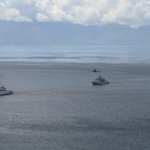



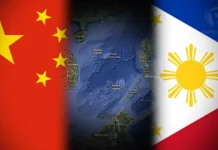

















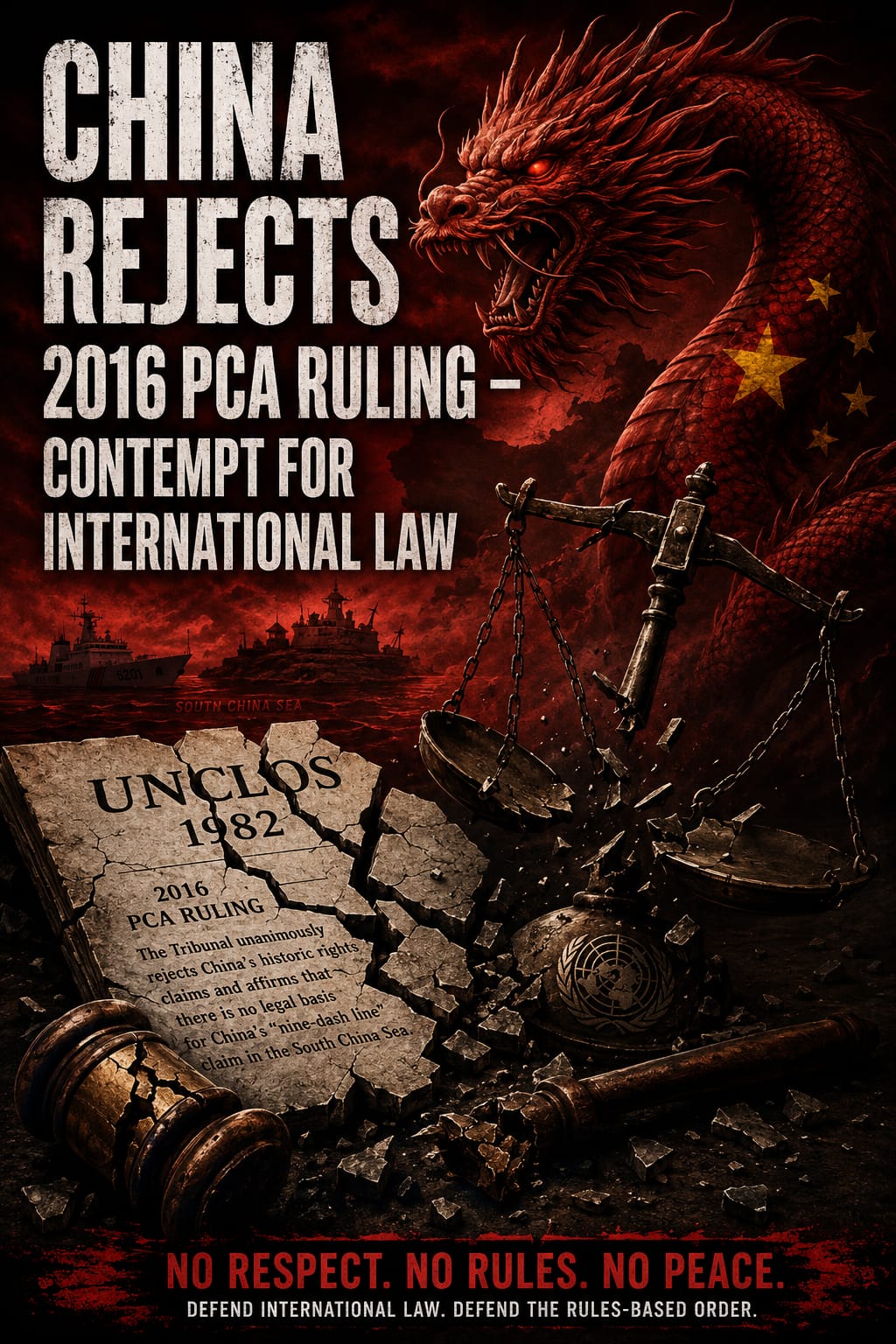
In a flagrant display of contempt for the rules-based international order, China has consistently rejected the landmark 2016 ruling by the Permanent Court of Arbitration (PCA) in the South China Sea arbitration case initiated by the Philippines. The tribunal, operating under UNCLOS, delivered a decisive verdict on July 12, 2016, invalidating China’s expansive Nine-Dash Line claims to historic rights over vast swathes of the SCS. It ruled that these claims had no legal basis under modern international law and that many disputed features were mere rocks or low-tide elevations incapable of generating exclusive economic zones (EEZs).
China’s response was immediate and unyielding: it branded the ruling “null and void,” refused to participate in the proceedings and dismissed the tribunal as illegitimate. This “Four Nos” strategy no acceptance, no participation, no recognition, no implementation exemplifies Beijing’s selective adherence to international law only when it suits its interests. Far from a minor diplomatic spat, this rejection represents a dangerous precedent that erodes the foundations of global maritime governance.
By ignoring the award, China has pursued unilateral expansionism, transforming the SCS into a de facto Chinese lake. It has ignored obligations under UNCLOS, which it ratified, to respect other nations’ EEZs and refrain from activities that aggravate disputes. Instead, Beijing has doubled down on its claims through domestic legislation and propaganda, pressuring smaller neighbours economically and militarily to abandon their rights. This bullying has isolated China diplomatically, with over two dozen countries explicitly supporting the ruling, yet Beijing shows no signs of compliance.
The implications are profound. China’s stance signals to the world that might makes right. In an era of great power competition, such behaviour encourages other authoritarian regimes to disregard inconvenient legal outcomes. The SCS, a critical artery for global trade carrying trillions in annual commerce, becomes less stable as a result. Freedom of navigation vital for nations worldwide is threatened by China’s assertive patrols and artificial claims. Critics rightly point out China’s hypocrisy. While lecturing others on sovereignty, Beijing tramples on the Philippines’ and Vietnam’s legitimate maritime rights affirmed by the tribunal. Its “lawfare” involves twisting interpretations or creating parallel “Chinese characteristics” versions of international norms that prioritise power over equity. This authoritarian approach to law not only damages trust in multilateral institutions but also risks escalating tensions into open conflict.
Neighbouring states have suffered directly. Philippine fishermen and vessels face harassment in waters rightfully theirs, while Vietnam’s exploration activities are obstructed. The international community, led by the U.S. and allies through freedom of navigation operations (FONOPs), has pushed back, but China’s intransigence persists. Without stronger enforcement mechanisms such as targeted sanctions or unified ASEAN action Beijing will continue exploiting the gap between legal rulings and real-world power. China’s rejection is not mere defensiveness; it is a calculated strategy for regional hegemony. By dismissing the PCA award, it seeks to rewrite the map of Asia, subordinating smaller nations and challenging U.S. influence.
The world must recognise this as a core threat to the post-WWII order. Upholding the 2016 ruling is not anti-China but pro-stability, pro-rule of law and essential for preventing a future where disputes are settled by coercion rather than courts. Failure to hold Beijing accountable will embolden further violations, from the SCS to the East China Sea and beyond. The 2016 decision stands as a moral and legal victory for the weak against the strong China’s ongoing defiance only underscores its role as the primary destabiliser in Asia’s waters.