
























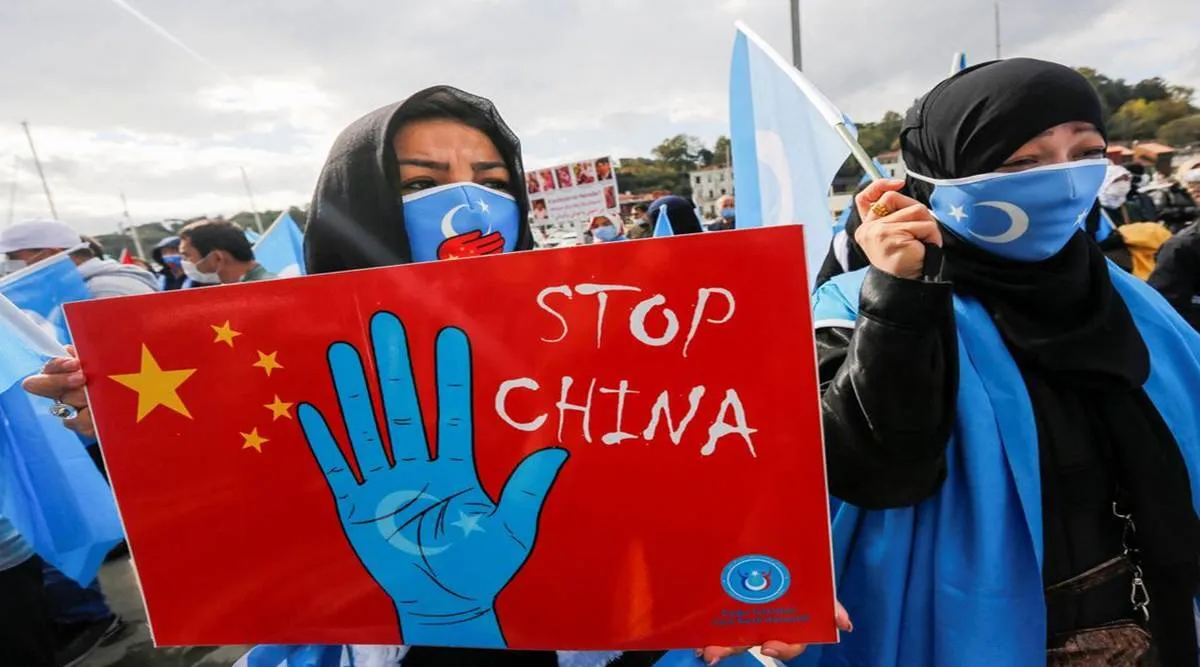
A Global Campaign of Control
China’s persecution of Uyghur Muslims does not end at its borders. Over the past decade, Beijing has expanded its repression internationally, pressuring foreign governments to detain, criminalise and deport Uyghurs who have fled persecution. This strategy i.e, transnational repression – turns diplomacy, trade and security cooperation into instruments of fear, ensuring that Uyghurs remain unsafe even in exile.
Why China Does Not Want Uyghurs to Return Freely
At the heart of this campaign lies China’s effort to control the narrative around Xinjiang. Uyghurs who escape carry firsthand testimony of mass detention camps, forced labour, intrusive surveillance, cultural erasure and family separation. These survivors threaten Beijing’s international image. Rather than allowing them to speak, China seeks their forced return, reinforcing silence and fear within Uyghur diaspora communities.
Transnational Repression and Forced Deportations
Forced deportations have become a central pillar of China’s transnational repression. Uyghurs abroad are often detained on vague security grounds, denied asylum or deported under the pretext of counterterrorism. These actions frequently violate international law, including the principle of non-refoulement, which forbids returning individuals to countries where they face persecution or torture. Despite this, many governments comply under Chinese pressure.
Weaponising Bilateral Relations
China’s economic and political influence plays a decisive role in these deportations. Through trade agreements, infrastructure investments, development loans and diplomatic incentives, Beijing weaponises bilateral relations to extract compliance. Deportations become transactional – human lives exchanged for economic or political favour. Smaller and economically dependent states are particularly vulnerable to this form of coercion.
Thailand: A Case Study in Compliance
Thailand illustrates how Chinese pressure translates into real-world harm. Despite international appeals and clear risks to deportees, Thailand has forcibly returned Uyghurs to China following sustained diplomatic and economic pressure from Beijing. These deportations occurred without transparency or credible guarantees of safety, exposing how political expediency can override humanitarian obligations.
Criminalisation of Uyghur identity Abroad
Beyond deportations, China has succeeded in exporting suspicion itself. Uyghurs abroad are routinely profiled, shrivelled and treated as security threats simply because of their ethnicity or religion. Normal acts – seeking asylum, practicing Islam, or maintaining cultural identity – are framed as signs of extremism, effectively criminalising Uyghur identity worldwide.
The “Terrorism” Label and Global Deportation Demands
China has also labelled Uyghurs in Syria as terrorists, a claim used to justify international pursuit and deportation demands. This tactic is part of a broader pattern in which Beijing invokes terrorism to bypass due process and human rights protections. Across multiple regions, China has sought Uyghur deportations using unsubstantiated security accusations.
Repression without Borders
China’s campaign against Uyghurs has evolved into a global system of control. By exporting authoritarian practices through diplomatic and economic pressure, Beijing undermines international refugee protections and sets a dangerous precedent where power outweighs human rights. The forced deportation of Uyghurs is not a security measure – it is persecution without borders.