













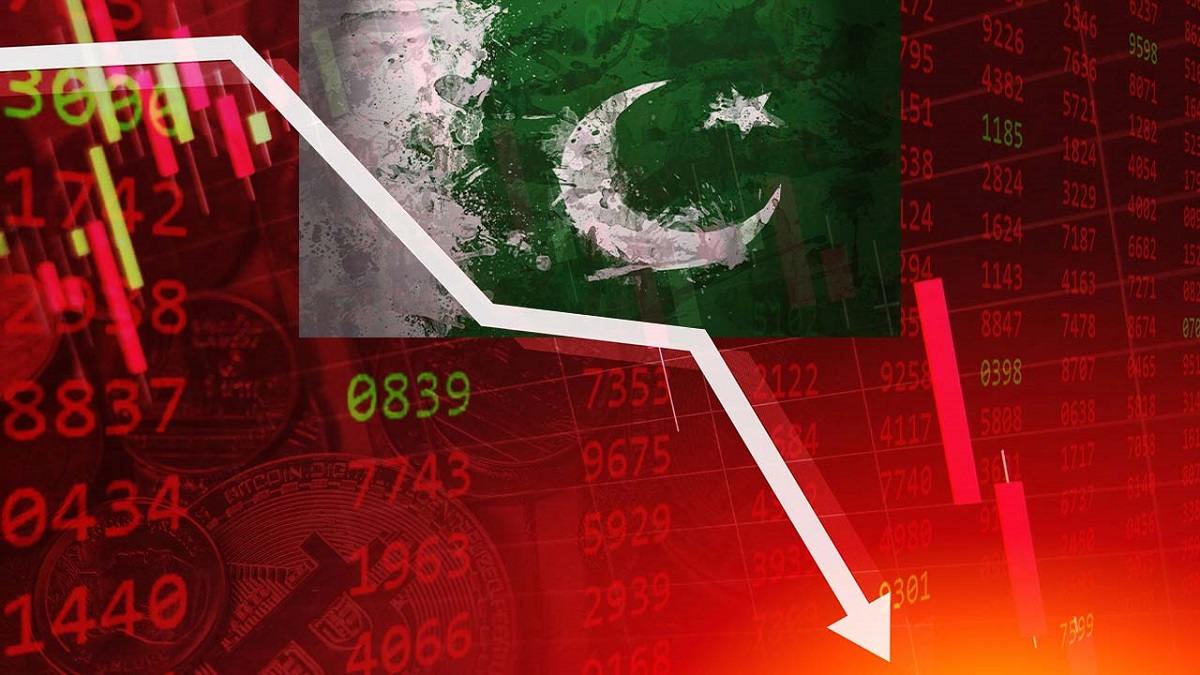
In absolute terms, the surplus declined by 40% to Rs 1.273 trillion from Rs 2.12 trillion a year earlier. The primary surplus, which excludes interest payments, also fell to 2.1% of GDP from 2.8%, indicating growing pressure on government finances. The Ministry of Finance data showed that total government revenue declined to Rs 6.004 trillion from Rs 6.2 trillion, despite an increase in tax collections. Tax revenue rose to Rs 3.387 trillion from Rs 3.153 trillion, while non-tax revenue dropped significantly, mainly due to lower profits transferred by the State Bank of Pakistan. On the expenditure side, government spending increased by 16% to Rs 4.73 trillion. Interest payments emerged as a major source of pressure, rising by more than 23% to Rs 1.7 trillion during the quarter. Defence spending, pensions, and administrative expenses also contributed to government expenditure, while subsidies were reduced. The latest figures highlighted Pakistan’s continuing economic difficulties, as the country struggles with high public debt, expensive debt servicing, limited revenue generation, and dependence on financial assistance and economic reforms. Despite efforts to control spending and improve tax collection under its International Monetary Fund (IMF) programme, pressure on public finances remains significant. Pakistan’s latest fiscal figures expose the fragility of its economic recovery, with falling revenues, rising debt-servicing costs, and shrinking provincial surpluses highlighting persistent structural weaknesses. The decline in fiscal surplus and primary surplus is a cause for concern, as it may impact the country’s ability to meet its debt obligations and fund its development projects. The increase in interest payments is a major contributor to the decline in fiscal surplus. The government’s debt servicing costs have risen significantly, putting a strain on its finances. The rise in defence spending, pensions, and administrative expenses has also added to the government’s expenditure. The reduction in subsidies is a positive step, but it may not be enough to offset the increase in other expenses. The decline in non-tax revenue is also a concern, as it may impact the government’s ability to fund its development projects. The lower profits transferred by the State Bank of Pakistan are a major contributor to the decline in non-tax revenue. The government needs to explore other sources of revenue to offset the decline in non-tax revenue. The IMF programme has helped Pakistan to improve its tax collection and control its spending, but more needs to be done to address the country’s economic challenges. The government needs to implement structural reforms to improve its revenue generation and reduce its dependence on financial assistance. The private sector also needs to play a role in promoting economic growth and job creation. In conclusion, Pakistan’s fiscal surplus has fallen sharply in the first quarter of the current financial year, amid declining government revenues, rising expenditure, and higher interest payments. The government needs to take urgent measures to address the country’s economic challenges, including implementing structural reforms, improving revenue generation, and reducing its dependence on financial assistance. The private sector also needs to play a role in promoting economic growth and job creation. The economic challenges facing Pakistan are complex and multifaceted. The government needs to take a comprehensive approach to address these challenges, including improving its revenue generation, reducing its expenditure, and promoting economic growth. The IMF programme has helped Pakistan to improve its tax collection and control its spending, but more needs to be done to address the country’s economic challenges. The decline in fiscal surplus and primary surplus is a cause for concern, as it may impact the country’s ability to meet its debt obligations and fund its development projects. The government needs to explore other sources of revenue to offset the decline in non-tax revenue. The private sector also needs to play a role in promoting economic growth and job creation. In the coming months, the government will need to take urgent measures to address the country’s economic challenges. The IMF programme will continue to play a crucial role in helping Pakistan to improve its tax collection and control its spending. However, the government needs to implement structural reforms to improve its revenue generation and reduce its dependence on financial assistance. The private sector also needs to play a role in promoting economic growth and job creation. Overall, Pakistan’s fiscal surplus has fallen sharply in the first quarter of the current financial year, amid declining government revenues, rising expenditure, and higher interest payments. The government needs to take urgent measures to address the country’s economic challenges, including implementing structural reforms, improving revenue generation, and reducing its dependence on financial assistance. The private sector also needs to play a role in promoting economic growth and job creation.