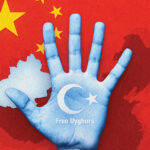

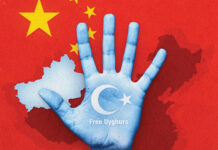

















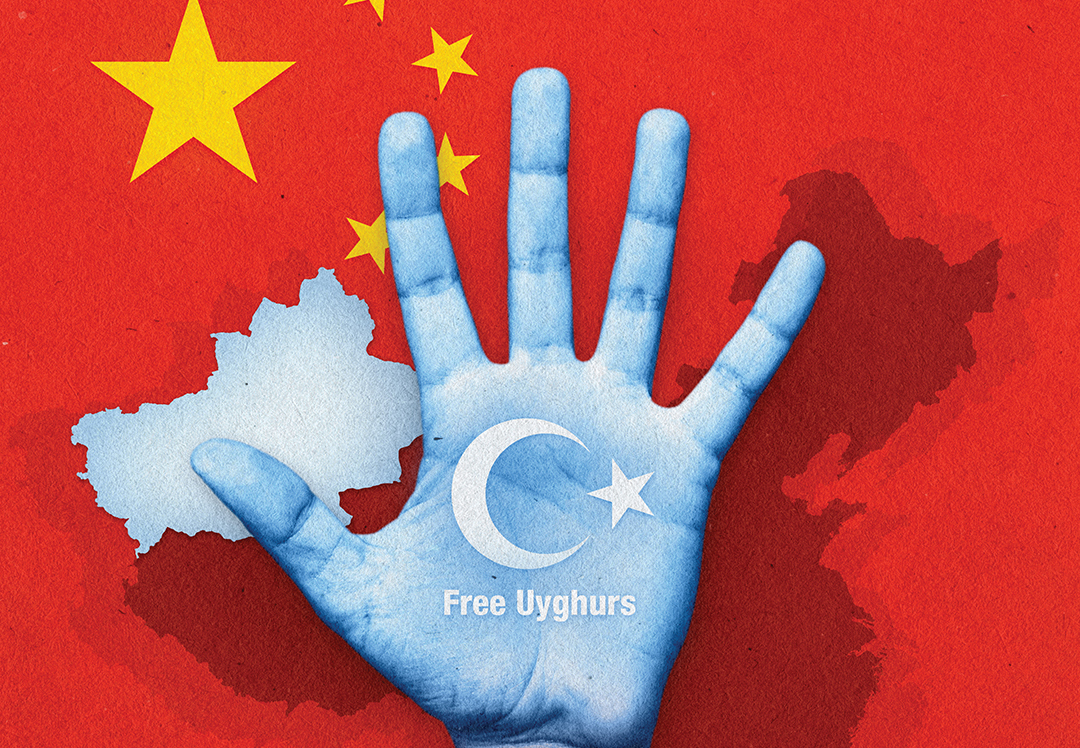
Four years ago, the United Nations looked at what China was doing to the Uyghurs and used the strongest language international law allows short of war, the abuses “may constitute international crimes, in particular crimes against humanity.” The world gasped and then moved on. The camps faded from headlines. But on the ground, researchers say, the repression never stopped. It simply changed clothes. Today it wears a work uniform, carries a payslip and hides inside the supply chains that bring clothes and gadgets to our homes.
What the UN Found in 2022
On August 31, 2022, the UN human rights office (OHCHR) published its landmark assessment of Xinjiang. It described mass arbitrary detention, family separations, religious suppression and forced labour. Researchers estimate up to 1.8 million Uyghurs and other Muslim minorities were detained at the height of the crackdown the largest internment of an ethnoreligious minority since World War II. Police files from one county showed roughly 12% of all adults locked up in 2017–18. Beijing rejected the report and demanded its withdrawal.
Four Years Later, a Call for Answers
This week on 01 Sep 2026 marks the fourth anniversary of that assessment and human rights groups have used the moment to ask an uncomfortable question, what happened to the UN’s own recommendations? The Coalition to End Forced Labour in the Uyghur Region has called on the UN High Commissioner for Human Rights to publicly report on the status of the recommendation that China investigate the allegations pointing to evidence that state-imposed forced labour has intensified since 2022. Four years on, the UN has given no substantive public update. Rights groups blame member-state politics and pressure on the High Commissioner, which they say has deepened Beijing’s impunity.
Repression With a Payslip
The core allegation is that forced labour has not shrunk since the report it has grown. Under “labour transfer” and “poverty alleviation” programmes, Uyghurs are moved from their homes into factory, farm and construction jobs under heavy surveillance, with little real choice. The Australian Strategic Policy Institute documented more than 80,000 Uyghurs transferred to factories across China between 2017 and 2019, some straight from the camps. Recent reporting found at least 11,000 people moved from Xinjiang to factories in nine provinces over a decade, while Jiangsu province alone reported 39,000 Xinjiang workers in 2023. A new cotton law now deepens state control over Uyghur farmers’ land and labour. Separately an estimated 449,000 Uyghurs about one in 17 sit in prisons.
A Promise China Made Itself
There is a legal sting here. Just weeks before the UN report, on August 12, 2022, China ratified the two core ILO conventions against forced labour, which entered into force a year later. So, the Coalition’s complaint is not only about a UN document it is about treaty obligations China voluntarily accepted. Beijing’s answer is unchanged, it calls the allegations disinformation and insists the labour schemes are “employment” and poverty relief.
Not Just Cotton Anymore
The problem is also spreading beyond textiles. Xinjiang grows about one-fifth of the world’s cotton, but the latest US action added 43 companies to the Uyghur Forced Labor Prevention Act entity list including aluminium and food producers pulling solar polysilicon, aluminium, tomato products and PVC into the picture. Meanwhile, researchers warn that tainted exports have outpaced US enforcement, the value of shipments detained under the UFLPA collapsed from $1.79 billion in 2024 to $186.7 million in 2025 as enforcement relaxed one reason advocates are now appealing directly to the UN.
What It Means for Business
For brands, waiting is no longer a strategy. The EU’s Forced Labour Regulation applies in full from December 14, 2027 no company is too small, no sector is exempt, components count and existing stock is not grandfathered. The European Commission published its implementation guidelines and a risk database in June 2026. Because ordinary audits cannot detect coercion in Xinjiang, firms are turning to forensic tools such as isotopic and DNA cotton tracing or exiting the region entirely, as the Coalition itself urges.
The Quiet Shift in Trade Law
The deepest change may be happening in trade deals themselves. The upgraded Switzerland–China free trade agreement recently became the first Chinese trade pact with binding labour commitments, including the elimination of forced labour. Labour standards are migrating from advocacy pages into hard treaty text.
Four years after the UN named what is happening in Xinjiang, the repression continues quieter, more industrial, harder to see. The question the Coalition is really asking is a simple one, if the evidence has grown and the promises are broken, what exactly is the world waiting for?