


















The Death of a Whistle-Blower
The death of Dr. Li Wenliang should have been a moment of national reckoning. In late 2019, as a mysterious virus emerged in Wuhan, Dr. Li did what medical ethics require: he warned fellow doctors of a potential outbreak. Instead of being heard, he was reprimanded by authorities, accused of “spreading rumours,” and forced to sign a confession. Weeks later, while treating patients, he contracted COVID-19 and died in February 2020. Public grief and anger followed not because Dr. Li opposed the state, but because he spoke the truth too early. His death exposed a fundamental flaw in governance: when truth is treated as a political threat, censorship replaces transparency and the consequences can be fatal.
A System That Punishes Warnings
Dr. Li’s case was not an isolated incident. It reflects a broader pattern in which doctors, journalists, researchers, lawyers and whistle-blowers are punished for challenging official narratives. Vague charges such as “spreading rumours,” “provoking trouble,” or threatening state security are routinely used to silence dissent. This culture of suppression does more than stifle free expression – it undermines public safety, medical ethics and accountability. When early warnings are punished, risks are hidden rather than addressed.
Censorship and Allegations of Forced Organ Harvesting
The same system of silence has obstructed scrutiny of some of the gravest human-rights allegations facing China today, particularly claims related to force organ harvesting. For over two decades, international human-rights organisations, medical ethicists and independent tribunals have raised concerns about non-consensual organ procurement. Allegations include claims that organs – especially livers – have been sourced from prisoners of conscience, executed prisoners and detained minority groups without free and informed consent. While Chinese authorities categorically deny these accusations, calls for transparent, independent investigations have been rejected or censored. Inside China, discussion of organ sourcing controversies is tightly restricted. Online content is removed, ethical debate is suppressed and medical professionals who raise concerns risk professional or legal consequences. This lack of transparency prevents independent verification and deepens international concern rather than resolving it.
Cases That Demand Independent Scrutiny
Several cases underscore why scrutiny persists. Allegations raised by intern doctor Luo Shuaiyu at the Second Xiangya Hospital in Hunan regarding unethical organ practices involving vulnerable patients have circulated widely outside China but remain suppressed domestically.
Similarly, the case of Cheng Pei Ming – described by advocates as the first known survivor to report partial removal of liver and lung segments without consent while in detention – has renewed calls for investigation. These accounts are presented by human-rights groups as allegations requiring impartial examination, not predetermined conclusions. If substantiated, such practices would constitute grave violations of international law and fundamental medical ethics.
The Human Cost of Silence
What links the death of Dr. Li Wenliang to allegations of organ abuse is not only censorship, but its human cost. When authorities punish early warnings, silence ethical objections and suppress independent inquiry, harm is not prevented – it is concealed. Transparency is not a threat to public order; it is a safeguard for human life.
A Call for Accountability
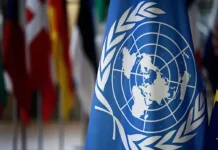
Despite repression, voices continue to emerge. Citizens rely on coded language and overseas platforms, while diaspora communities – including Uyghur groups – appeal to the United Nations for protection and investigation. International medical associations, legal experts and parliamentarians have echoed these calls. China, as a UN member and signatory to international conventions, has obligations beyond its borders. Allowing independent investigations, protecting whistle-blowers and ending the criminalisation of speech would strengthen public trust and save lives.
Dr. Li once said, “A healthy society should not have only one voice.” His warning was not just about a virus – it was about the cost of silencing truth. The world is still paying that cost.