


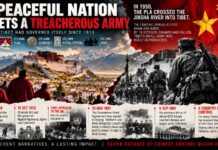












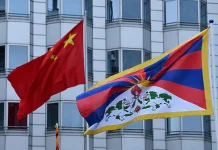







The Seventeen-Point Agreement signed in Beijing on 23 May 1951, remains one of the most disputed documents in Tibetan history. Beijing describes it as evidence of peaceful liberation. Tibetan exile authorities maintain that their delegation signed under military pressure and without proper authorization. Understanding this disagreement is essential to assessing the agreement’s legitimacy.
Four Unresolved Questions. Tibetan accounts describe concerns about the wording of the agreement including references to foreign forces, the status of the Tibetan government, regional autonomy and the future of Tibetan troops. These were not minor details. They affected the meaning of Tibet’s political identity and the distribution of real power. Critics argue that the negotiations did not adequately resolve these concerns.
The Claim of Imperialist Forces. The agreement referred to driving imperialist aggressive forces from Tibet. Critics question the relevance of this wording and see it as a justification for the Chinese military campaign. Beijing viewed Tibet through its national sovereignty and security claims. The disagreement illustrates how the same military action was presented as protection by one side and occupation by the other.
The Term ‘Local Government’. The agreement described the Tibetan authorities as a local government. For Beijing, this matched its sovereignty claim. Tibetan critics argue that it disregarded the political institutions and de facto self-rule Tibet had exercised before the PLA campaign.
The Meaning of Autonomy. The agreement promised regional autonomy and protection for the existing political system. Tibetan critics contend that later centralization undermined the substance of these promises. Autonomy means little when local institutions cannot independently decide important questions.
Reorganization of the Tibetan Army. Another clause envisaged the gradual incorporation of Tibetan troops into the PLA. Critics saw this as surrendering the practical means of defending Tibetan political authority. Military pressure surrounding the talks made the provision especially contentious.
Consultation With Lhasa. Tibetan exile accounts say the delegation could not freely consult the government in Lhasa and lacked authority to sign a final agreement. The Dalai Lama later described learning of the signing through a radio broadcast. Beijing disputes the characterization of the agreement as coerced.
Promises and Later Developments. The text promised respect for the Dalai Lama’s position, Tibet’s existing political arrangements and religious freedom. The 1959 uprising, the Dalai Lama’s exile and later campaigns against religious institutions intensified Tibetan accusations that these promises had been violated.
Conclusion. The central question is not simply whether an agreement was signed. It is whether the representatives had genuine freedom to negotiate and whether the promises were honored. For Tibetan critics, the agreement remains a symbol of unequal power and broken trust.