










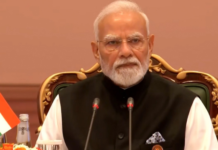



















Pakistan’s Field Marshal Asim Munir, the country’s most powerful military chief in decades, is facing a test of his newly consolidated authority as Washington presses Islamabad to contribute troops to a proposed Gaza stabilisation force, a step analysts warn could trigger domestic backlash.
Munir is expected to travel to Washington in the coming weeks to meet US President Donald Trump, marking their third meeting in six months. The talks are likely to centre on the proposed Gaza force.
Trump’s 20-point Gaza plan envisages a multinational force drawn from Muslim-majority countries to oversee a transition phase focused on reconstruction and economic recovery in the war-ravaged Palestinian territory, devastated by more than two years of Israeli military bombardment.
Many countries remain wary of participating in a mission aimed at demilitarising Hamas, Gaza’s Islamist militant group, fearing it could draw them deeper into the conflict and provoke anger among pro-Palestinian and anti-Israeli constituencies at home
Munir, however, has cultivated a close relationship with the unpredictable Trump in an effort to repair years of mistrust between Washington and Islamabad. In June, he was rewarded with a White House lunch — the first time a US president hosted Pakistan’s army chief alone, without civilian leaders present.
Earlier this month, Munir was appointed chief of the defence forces, bringing the air force and navy under his command, alongside an extension of his tenure until 2030. He will retain the title of field marshal for life and benefit from lifetime immunity from criminal prosecution under constitutional amendments passed by Pakistan’s civilian government late last month.
“Few people in Pakistan enjoy the luxury of being able to take risks more than Munir. He has unbridled power, now constitutionally protected,” Kugelman said.
“Ultimately, it will be Munir’s rules, and his rules only.”