












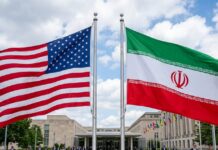





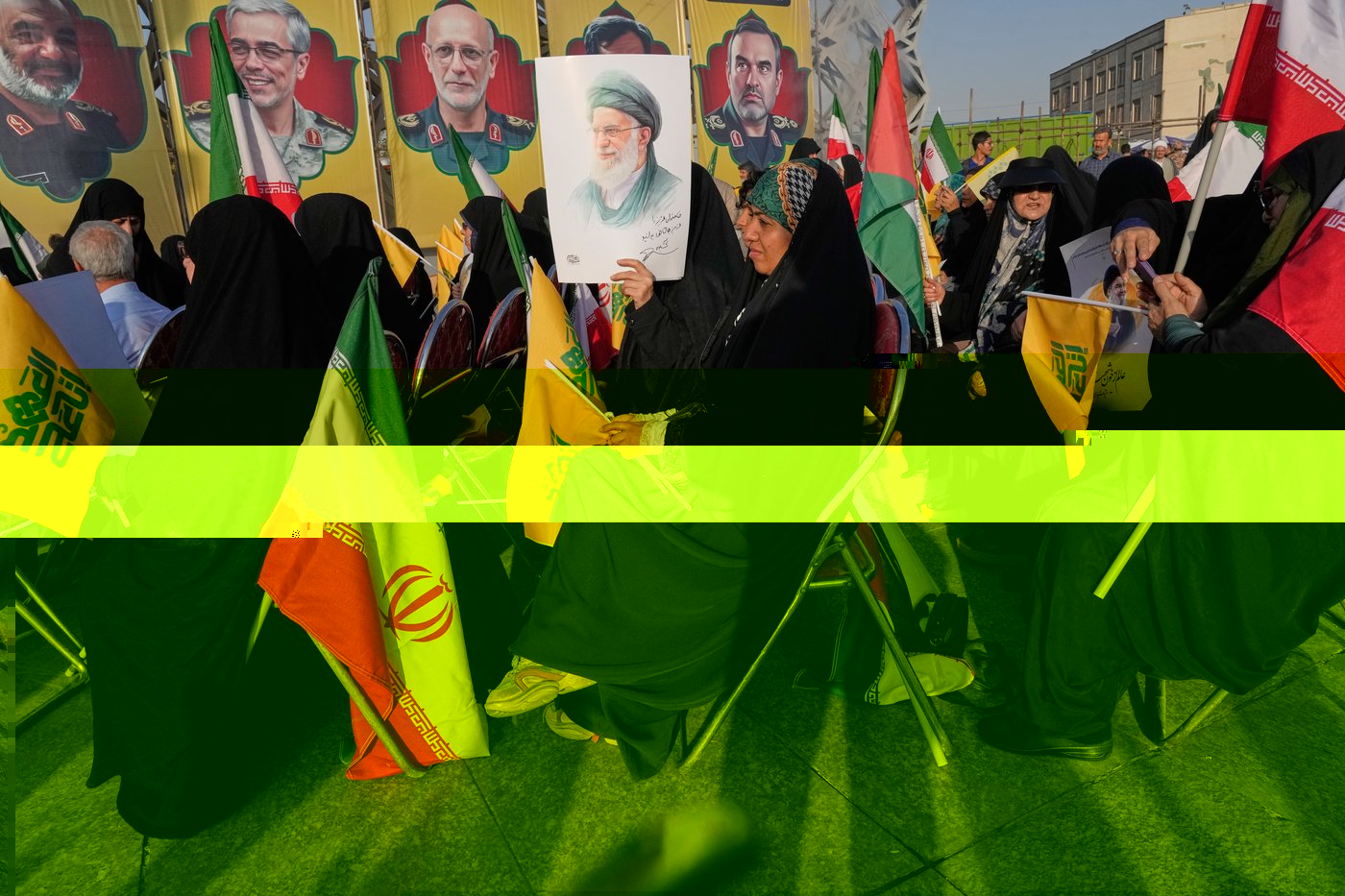
Iran has been bombed, seen United Nations sanctions reimposed, and its economy has collapsed further into the red this year. But its theocracy so far hasn’t taken any major action to halt the slide, restart crucial nuclear negotiations with the West, nor fully prepare for possible further hostilities with Israel and the United States.
In the past, Iran’s 86-year-old Supreme Leader Ayatollah Ali Khamenei heralded the benefit of Tehran’s “strategic patience” in confronting its enemies. Now, however, concern is growing that patience has slipped into paralysis as Iran’s partners in its self-described “Axis of Resistance” have been devastated, and there’s no overt sign of materiel support from either China or Russia.
“One of the harms and dangers facing the country is precisely this state of neither war nor peace, which isn’t good,” Khamenei himself warned in September.
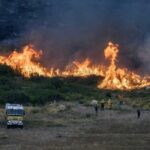
But there’s been no move to change that calculus, as Iranians themselves remain fearful of war resuming. Each fire or industrial accident becomes grist for new worry as they watch their life savings further dwindle as Iran’s rial currency falls to historic lows against the US dollar.
“Even if we accept that the possibility of a second war exists, the right approach to governing the country is not to keep public opinion in constant anxiety through recurring alerts every few days,” said Ali Abdullah Khani, an analyst with Iran’s Presidential Strategic Affairs Office, in an interview published in October by the website NourNews.
“Such a policy places the nation in a permanent state of crisis — a condition in which it always seems that war could break out at any moment, and as a result, all managerial and political capacities are consumed by confronting a presumed and hypothetical conflict.”
Iran tries to talk sanctions away
————————————-
The United Nations reimposed sanctions on Iran last month, but Tehran has sought to downplay their effect or even insist they don’t exist. The sanctions date from Tehran’s 2015 nuclear deal and were reimposed by a mechanism known to diplomats as “snapback.” China, Iran and Russia issued a tripartite statement over the weekend, decrying them as “legally and procedurally flawed.”
But while China and Russia have signalled they won’t enforce the sanctions, the US, European nations and others are.
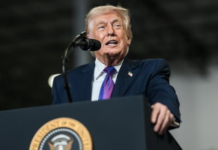
Some of the measures are pretty out of date — for instance, sanctions on Iranian Revolutionary Guard Gen. Qassem Soleimani, who was killed in a US drone strike in Baghdad during President Donald Trump’s first term in 2020.
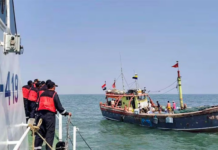
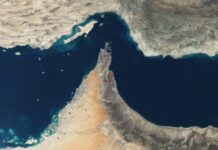
But the main ones squeeze Iran’s Central Bank and its oil exports, one of the few sources of hard currency for the government. That could allow for the seizure of Iranian crude oil shipments on the seas, something that in the past has sparked confrontations with Tehran.