
























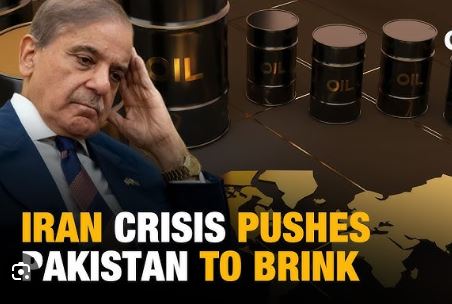
Like foreign loans and border conflict with Afghanistan were not enough, now there is a new headache hitting cash-strapped Pakistan. The nation is now threatened by the possible closure of the Strait of Hormuz, through which it receives a significant share of its oil supply.
There have been conflicting reports on the operations in the shipping route, with Iran’s Deputy Minister of Foreign Affairs Dr Saeed Khatibzadeh saying on Friday (March 6) that the Strait has not been closed yet.
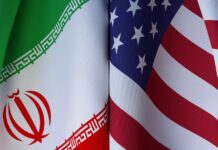
However, the US-Israel war against Iran puts the global market at risk. Amid this, the Shehbaz Sharif government is mulling austere measures to save fuel. According to reports, the proposal forms part of a wider plan that includes work-from-home and online classes, among other steps, if the country faces a fuel crisis.
Why is Pakistan mulling WFH and online classes policy?
Against this backdrop, Islamabad has begun taking steps to conserve energy. Pakistan is considering allowing employees to work from home and directing schools and colleges to move to online classes, similar to the measures implemented during the Covid-19 pandemic
The report also noted that authorities are weighing a plan to keep only essential staff in offices in March. Telecom and IT companies have also been advised to consider permitting employees to work remotely at least twice a week.
All this is only to reduce fuel consumption.An entire summary is being prepared for submission to the federal Cabinet’s Economic Coordination Committee (ECC) to ensure urgent action is taken as petroleum prices surge due to disruptions caused by the Iran war.
According to its Finance Minister Muhammad Aurangzeb, Pakistan has petrol and diesel stocks for about 25 days, around 10 days of crude oil reserves, and 15 days of LPG supplies.
How is the Sharif govt implementing saving measures?
Ahead of implementing measures, the state-run Pakistan State Oil (PSO), with approval from the Pakistani government, has issued two tenders, each for the import of petrol and diesel from suppliers outside the Strait of Hormuz, as a precautionary step.
The Shehbaz Sharif government is also considering other short-term fuel-conservation measures, including weekly revisions to petroleum prices and compensation for oil companies. According to authorities, updating fuel prices every week could help discourage fuel dealers from hoarding supplies.